

Most accelerators end with a certificate and a round of applause. The Founder Institute's Silicon Valley AI In-Person program ends with something harder to fake: an incorporated company, a product you built yourself, and a five-minute pitch in front of angels and early-stage VCs in Palo Alto.
The Winter 2027 cohort kicks off on January 20, 2027, with room for a maximum of 50 founders.
Over ten weeks, you build your company with AI from anywhere, then spend two weeks in Silicon Valley working alongside mentors and investors before Funding Day. No coding is required.
Here is everything you need to know about the program, who it is for, and how to apply before the early bird deadline.
Why Founders Choose a Silicon Valley AI Accelerator in 2027
AI has changed what one founder can build.
A product that once needed a technical co-founder and a development team can now be vibe-coded in weeks. What has not changed is how hard it is to turn that product into a real company with paying customers and investor interest.
That is the gap this Silicon Valley startup accelerator is built to close.
Since 2009, more than 9,000 companies have launched through Founder Institute chapters in 200+ cities, and graduates have collectively raised $2B+. Every FI program now teaches founders to build with AI, follow a proven path to paying customers, and pitch real investors.
The Silicon Valley AI In-Person program adds one more advantage on top: two weeks on the ground in Silicon Valley itself.
If you want the bigger picture on why the region still matters, this piece on why the Silicon Valley startup ecosystem still matters for founders is a good place to start.
How the Silicon Valley AI In-Person Program Works
The program runs in three phases: seven weeks building online, two weeks in Silicon Valley, and Funding Day.
Phase 1: Build Your AI Startup Online (January 20 to March 4)
The first phase runs online, so you can join from anywhere. Each week includes one two-hour live session, followed by a sprint on the FI platform with your working group and office hours with mentors. Onboarding takes place the week before, on January 13.
The work moves fast. In the opening sessions, you set up your AI toolkit with Replit, Claude, a transcription tool, and a design tool, then identify at least three customer problems worth solving and test demand with AI research and real customer conversations. By the Validation Sprint, you are vibe-coding a working tool in Replit that real customers can use, and validating your key assumptions in 10+ customer interviews.
From there, you choose your one customer problem, test pricing with potential customers, and map every business function to either a person or an AI tool.
On February 18, you face your first major milestone, the Mentor Idea Review, where you deliver a three-minute pitch and live product demo to a panel of mentors. In the final online weeks, you incorporate your company, start an advisory board, and launch to customers by March 4, shipping a complete product with onboarding and payments, starting to collect payments or letters of intent, and running an AI-automated outreach pipeline to 25+ potential customers.
Phase 2: Two Weeks In Person in Palo Alto (March 8 to 15)
Then the cohort comes together in Silicon Valley. The in-person weeks in Palo Alto center on two sprints: Traction and Fundraising.
The Traction Sprint sets one clear target: 10% weekly growth. You build a live dashboard of your key metrics and decide on your first hire. The Fundraising Sprint helps you choose a funding strategy, tie your use of funds to 18-month milestones, and build a warm pipeline of 40+ investors, made up of 30 regional angels and 10 micro VCs. Your pitch also grows from three minutes to five, with a live demo of your product.
Silicon Valley is also about the people you meet outside the session room.
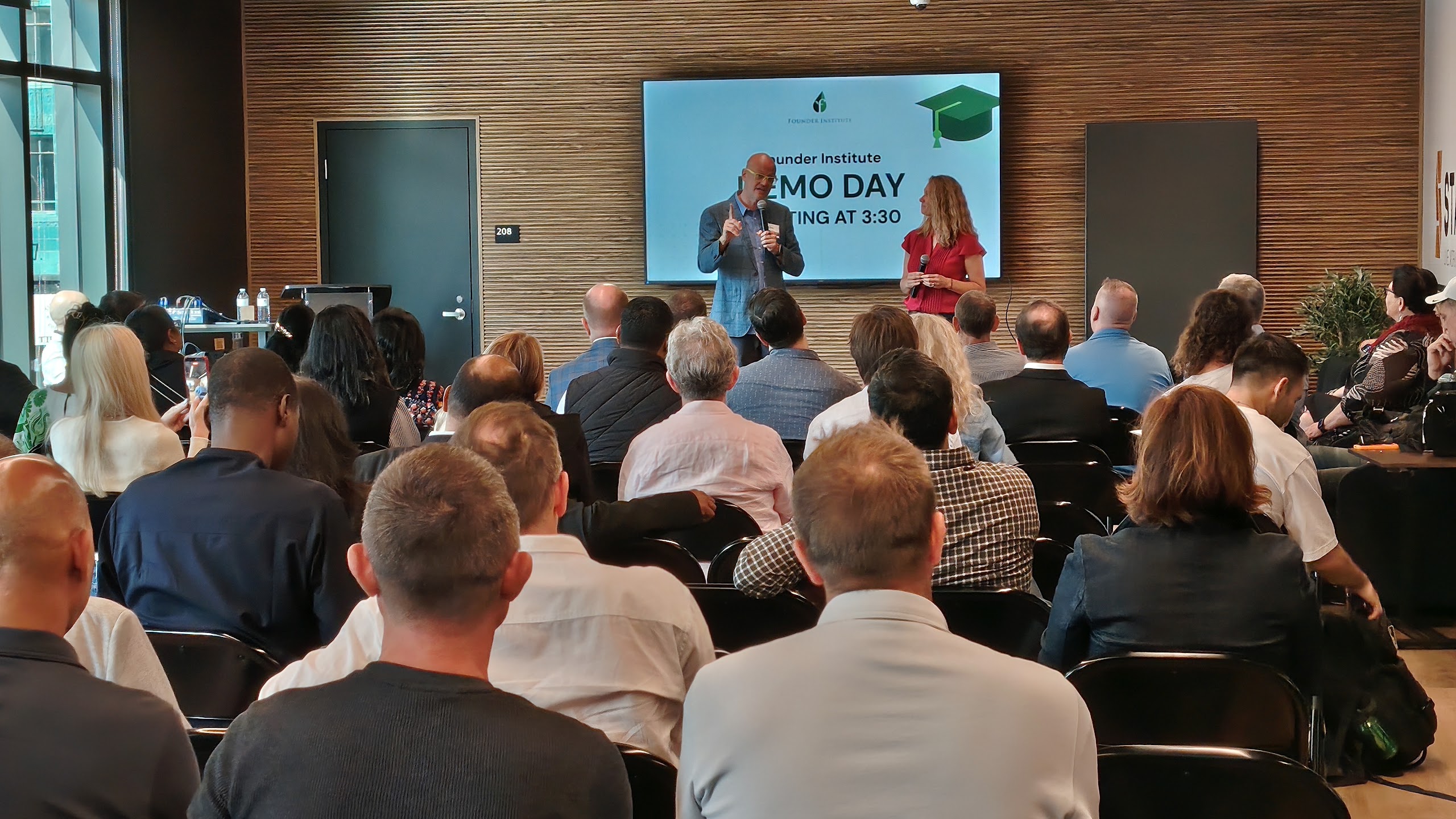
The schedule includes a welcoming party with the whole cohort, an outdoor activity, a founder and mentor house party at Adeo Ressi's, and private networking with Silicon Valley investors and mentors. The day before Funding Day, you rehearse your pitch with mentors.
Phase 3: Pitch Angels and VCs at Funding Day (March 16)
Funding Day in Palo Alto is where the ten weeks pay off.
You pitch your company to a panel of angels and early-stage VCs with a five-minute deck and a live demo of the product you built. Founders are rated on real progress, across product, presentation, and business model, and leave with investor conversations to follow up on.
Founder Institute is clear about one thing: it commits to the room, not the money. Funding is never guaranteed. The ten weeks before it are about making sure you walk into that room ready.
The cohort then reconnects online on March 25 for a final wrap-up session to review which AI tools and workflows are working, define your most important hire, and set up a weekly accountability system for growth.
Learn from Adeo Ressi, Mercedes Bankston and 50+ Silicon Valley Mentors
The program is led by two of the most experienced operators in the Founder Institute network.
Adeo Ressi co-founded Founder Institute in 2009 and serves as its Chairman. He is also the CEO of Decile Group, which powers the next generation of venture capital firms worldwide, including through VC Lab. He has founded 11 startups and launched 14 venture capital funds.
Mercedes Bankston has been Founder Institute Program Director in London and Silicon Valley since 2018, running one of FI's largest and top-performing programs. Mercedes is also a Venture Capital Advisor at Loyal VC, and has been ranked the highest-rated business mentor worldwide out of 40,000.
Beyond the program leaders, founders work with 50+ Silicon Valley mentors.
Mentors who worked with the Summer 2026 cohort include Niyati Gupta, Product Design Lead at Netflix, who previously led design for Google Meet and WhatsApp; Adam Spector, founder and CEO of Chore and GP at Autopilot Fund, who has invested in 200+ startups including 14 unicorns; Kamal Hassan, Founding Partner at Loyal VC, who has invested in 50+ Founder Institute graduates; and Dat Le, Growth Lead at caffeine ai, who previously worked at Uber through its IPO.
Results from the Summer 2026 Silicon Valley Cohort
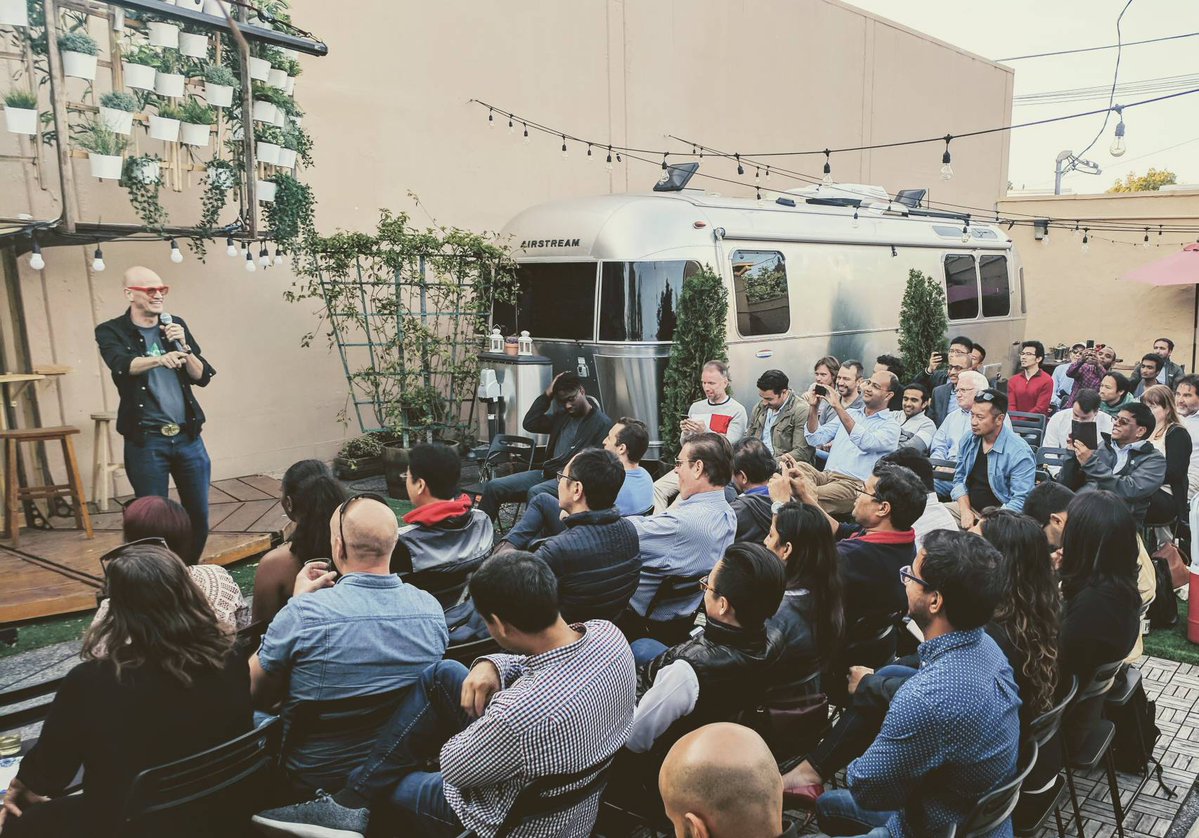
The best way to understand an accelerator is to look at the founders who just finished it.
David Williams, founder and CEO of Zuma Internet, came in with limited technical experience. "When I started, I didn't even know what Python was," he says. By the end of the summer, David had built an AI agent marketing team, created 1,500 synthetic customers, and developed a voice AI avatar agent.
Kelly Anderson, founder of DyeConverter, received a pre-seed offer two weeks after the program. Kelly credits the weekly Thursday deadlines for getting the investor materials, data room, and pitch deck built, calling it a forcing function she had never had before, even after running a business.
The cohort as a whole was a strong mix of AI startups at different stages.
Junaith Shahabdeen's Zan Compute uses AI to clean buildings based on real usage and reports $1.5M ARR across 53 facilities. Bruce Gutman's Pipeworx provides live data for AI agents, handling about 12 million requests a month in production. Jacob Wellinghoff's multi-agent software engineering platform, Shelled AI, has 6,000+ users, and Mariana Velasquez's BRANDDU has delivered 4,150 projects for 200+ clients.
Who Should Apply to This AI Startup Accelerator?
The program is built for experienced professionals who want to launch something meaningful.
You do not need a team or a technical background. You do need ambition, and a willingness to work harder than you ever have before.
It is a strong fit if you are a working professional with deep expertise in your industry, a founder ready to launch alone or with a small team, or someone with an idea who has been waiting for a technical co-founder. Because you build your product with AI tools, no coding is needed. A small group of high-potential founders is selected for each cohort.
Building alone? These guides on how solo founders are building billion-dollar companies with AI and the new founder playbook for building with AI agents show what is now possible for one founder.
What's Included in the Silicon Valley AI In-Person Program
The full program includes ten weeks of company-building sprints, mentor feedback from 50+ Silicon Valley mentors, and AI training to research customers, build a product, and automate outreach.
Founders get access to the AI toolkit and FounderGen platform, two weeks in Silicon Valley, private investor networking, and a Funding Day pitch. You also receive $2.5M+ in partner deals and perks, plus access to the Founder Institute alumni network after the program.
Apply to the Silicon Valley AI In-Person Winter 2027 Program
Ten weeks after kickoff, you could have an incorporated company, a product your customers use, and a seat in front of Silicon Valley investors. Spots are capped at 50 founders, and the early bird price of $3,999 ends on December 8.
Apply to the Silicon Valley AI In-Person Winter 2027 program today, or explore how the FI Agentic program helps founders build with AI.
