

Every year, tens of thousands of founders apply to Y Combinator. The acceptance rate sits below 2%. Most rejections are not about bad ideas. They are about stage. YC selects for startups that already have traction, a validated concept, and ideally, some early revenue. If you are applying before you have any of those things, you are not being rejected because your potential is low. You are being rejected because you applied to the wrong program at the wrong time.
The question most founders ask after a YC rejection is: what is the best Y Combinator alternative? The more useful question is: what program is actually designed for where I am right now? Because most so-called YC alternatives are not alternatives at all. They are programs built for the same stage, with roughly the same expectations, and roughly the same acceptance criteria. Applying to them after a YC rejection is like being turned away from a restaurant for not having a reservation, and then trying every other restaurant on the block that requires a reservation.
Founder Institute exists at a different point in the journey entirely.
Why Most Y Combinator Alternatives Miss the Point
The startup accelerator landscape in 2026 is large and genuinely diverse. Techstars runs more than 50 programs worldwide. Antler focuses on pre-team co-founder matching. Forum Ventures targets B2B SaaS specifically. SOSV runs vertical-specific programs in hardware, biotech, and climate. Each of these programs has real value. Each of them also shares one foundational assumption with YC: you are already a startup.
That assumption is not a flaw in those programs. It is a design choice. But it does mean that the conversation about "the best Y Combinator alternative" almost entirely skips the 90% of founders who need something before any of those programs become relevant. Pre-idea founders. Pre-team founders. Founders who have a sharp sense of the problem they want to solve but have never built a company, never pitched an investor, and never been through the mechanics of turning an insight into a venture.
If you are in that category, applying to Techstars instead of YC is not a strategic pivot. It is the same mistake with a different logo on the rejection email.
What "Step 0" Actually Means
Founder Institute was built on an explicit premise: the startup world has a pipeline problem, and it starts at the very beginning. YC, Techstars, and every other institutional accelerator are excellent at accelerating companies that already exist in some form. None of them are designed to help someone become a founder in the first place. That gap is where FI operates.
In the FI framework, "Step 0" refers to the stage before you have a co-founder, before you have a product, and often before you have a fully defined idea. It is the stage where most of the critical decisions about what kind of founder you will become actually happen. The way you develop your idea, the way you find early mentorship, the way you learn to think about market size and business models: these habits form before Demo Day, not at Demo Day.
Founder Institute's flagship program is a structured 14-week cohort that walks founders through that entire pre-seed formation process. By the end, participants have a registered company, a defined business model, a network of mentors, and the practical vocabulary and operational habits to walk into a seed accelerator (including YC) with a meaningfully stronger application than they would have had otherwise.
This is not a consolation prize. This is a deliberate sequencing strategy. Many FI alumni go on to apply to YC, Techstars, and other top-tier programs after completing the FI program, and they arrive with something most applicants do not have: a structured record of how they think through problems, how they handle feedback, and how they operate under pressure. That record is exactly what selective accelerators are evaluating.
What Makes Founder Institute Different From Other Pre-Seed Programs
The claim that a program is designed for early-stage founders is easy to make. What separates Founder Institute from similar claims is the infrastructure behind it.
The first differentiator is the Entrepreneur DNA Assessment, a psychometric tool built on 16 years of PhD-backed social science research and benchmarked against 250,000-plus candidates across 126 countries. Before a founder joins FI, they take this assessment. It measures 26 dimensions of entrepreneurial potential including risk tolerance, adaptability, perseverance, proactivity, and autonomy. The assessment does two things. It helps FI build cohorts with a genuine concentration of entrepreneurial talent. And it gives each founder a clear picture of their natural strengths and the areas where they will need to develop, build a team, or find a mentor with complementary traits.
No other accelerator at any stage does this before admission. YC evaluates your startup. FI evaluates your potential as a founder. That distinction matters enormously at the pre-idea stage, where there is no startup to evaluate yet.
The second differentiator is scale and depth of mentorship. FI's network includes more than 40,000 mentors and investors across 200-plus cities in 65 countries. This is not a contact list. These are operators, investors, and domain experts who actively engage with FI cohorts through structured feedback sessions, one-on-one office hours, and ongoing alumni community participation. For a first-time founder with no existing network, this access is often the most valuable thing FI provides.
The third differentiator is the global footprint without the geographic filter. YC operates primarily out of San Francisco. Most top-tier accelerators have strong geographic concentrations. FI operates across 200-plus cities. If you are building in Nairobi, Karachi, Sofia, or São Paulo, the local FI program gives you access to the same curriculum, the same methodology, and the same network caliber as cohorts running in New York or London. That geographic equity is rare in the accelerator world.
What FI Alumni Have Built
The proof of a pre-seed program is not the quality of what goes in. It is the quality of what comes out. Founder Institute's 8,900-plus alumni entrepreneurs have collectively raised more than $2 billion. The portfolio carries an estimated value of $20 billion. More than 850 venture capital funds have been launched through VC Lab, FI's fund formation program. Thirty-three percent of FI founders globally are women, a figure that reflects deliberate program design rather than passive outcome.
These are not numbers from a single flagship cohort in Silicon Valley. They aggregate outcomes from 1,200-plus cohorts run across six continents over 16 years. What that breadth demonstrates is repeatability. The methodology produces companies at scale, in diverse markets, with diverse founders, at a consistent rate. That consistency is what you are buying into when you apply to Founder Institute.
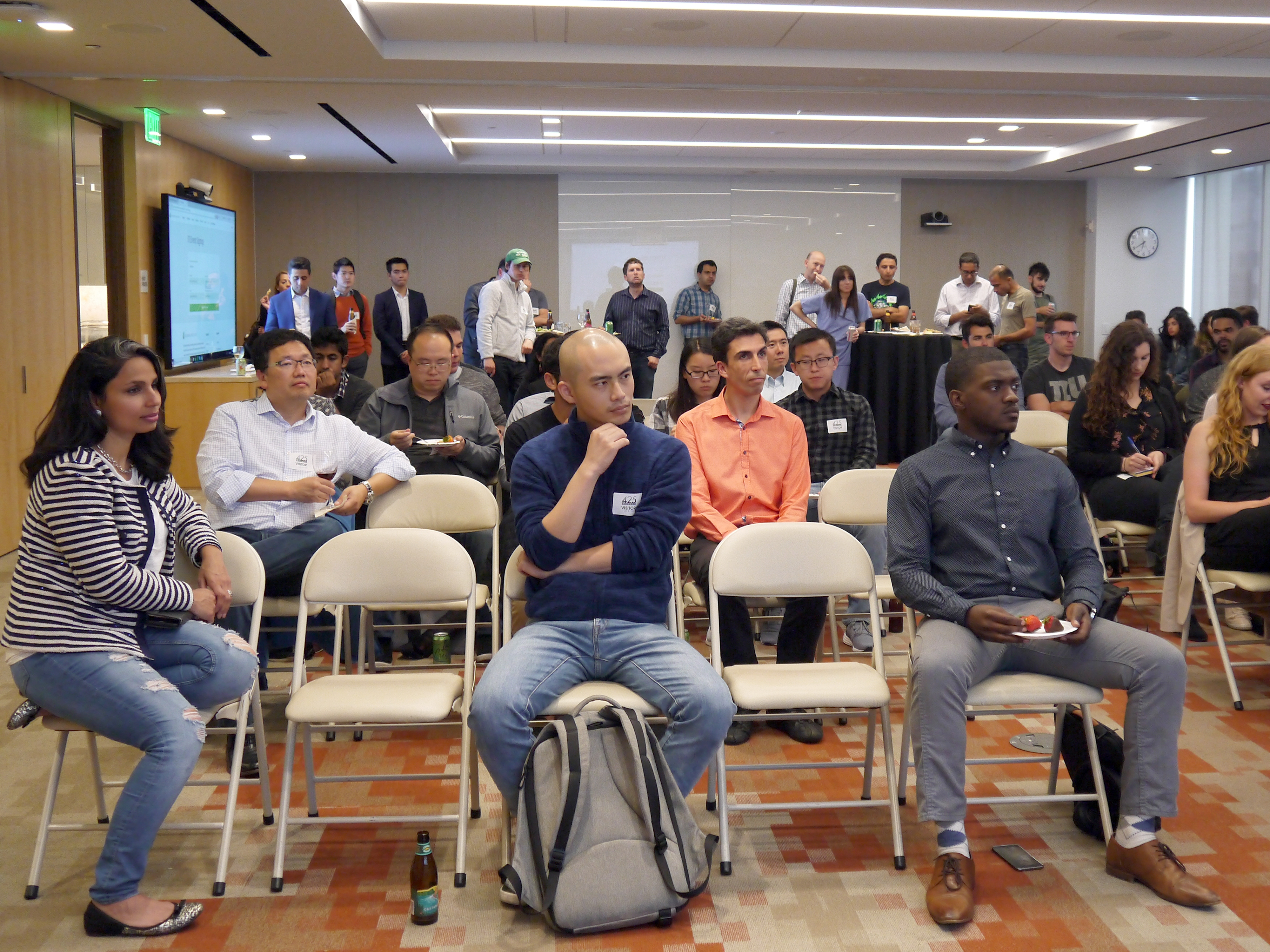
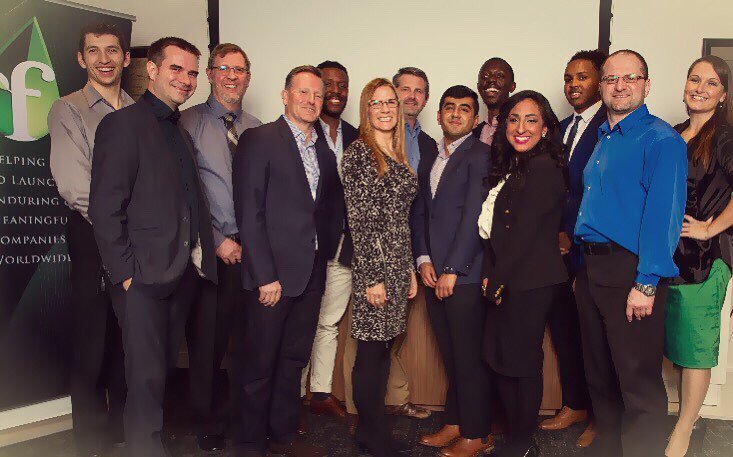
Government partners have recognized this same consistency. Startup 425, a partnership between Founder Institute and six cities in the Seattle metro area including Bellevue, Kirkland, and Redmond, ran its first free cohort for first-time entrepreneurs and achieved 100% business formation among graduates. The National Incubation Center in Pakistan has run 25-plus cohorts through the FI methodology, producing 250-plus new ventures and contributing to the creation of 188,000-plus jobs. UNDP partnered with FI in Bermuda to accelerate 21 female founders, 12 of whom launched entirely new businesses during the program.
These outcomes do not happen at organizations that treat the early stage as a filtering problem. They happen at organizations that treat it as a development problem.
How to Choose Between FI and YC (Hint: It May Not Be Either-Or)
The framing of "FI vs. YC" misses the most common path that successful founders actually take. FI and YC are not competing for the same founders at the same moment. They serve different stages in the same journey.
A founder at the pre-idea or early concept stage who joins FI will spend 14 weeks building the operational and analytical habits that make their eventual YC or Techstars application genuinely competitive. They will arrive at that application with a working company, a defined market thesis, structured customer discovery data, and at least one season of experience operating under mentor pressure and weekly accountability. That is a materially different application than the one they would have submitted twelve months earlier.
The relevant question is not: which program should I apply to instead of YC? The better question is: what do I need to build the kind of startup that top accelerators will want to fund? For most founders, the answer to that question runs through a program like FI before it runs through YC.
If you are a first-time founder, pre-revenue, with an idea you believe in but a limited track record of building under uncertainty, the path forward is not to keep reapplying to programs designed for companies further along than yours. The path forward is to build the foundation those programs require. That is what Founder Institute was designed to do.
FI's program is available across 200-plus cities worldwide, with cohorts running on a rolling basis throughout the year. Government-sponsored cohorts in partner regions run fully equity-free. In standard cohorts, FI takes a small equity stake only from graduates who go on to raise capital, which means if your company does not raise, FI takes nothing.
The startup you want to build deserves a foundation that matches its ambition. Start with the program that was built for where you are, not the one built for where you hope to be in two years.
Ready to build the foundation for a fundable company? Apply to Founder Institute and find out which cohort is running in your city or region.