
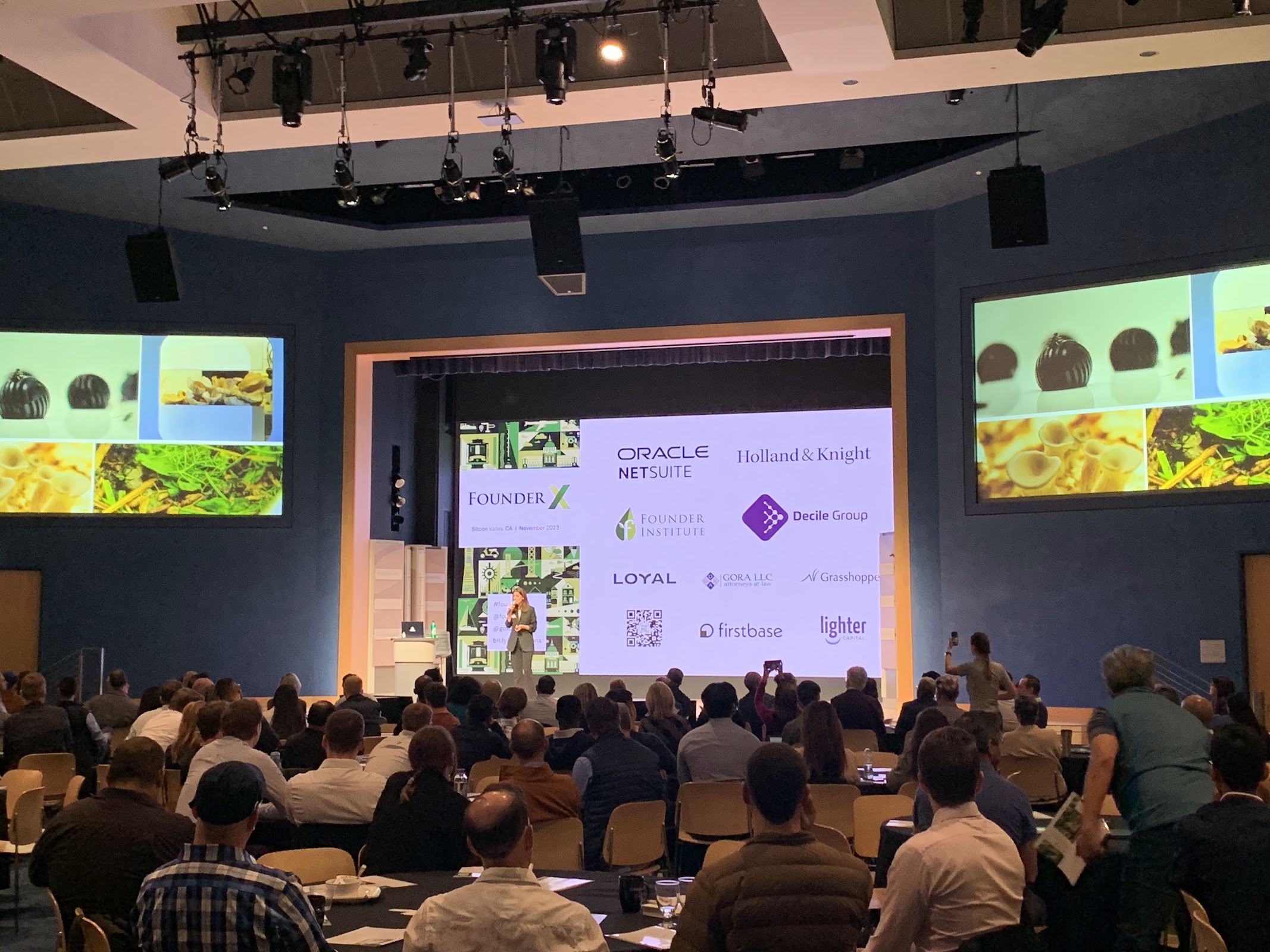
Three days. Silicon Valley. Three hundred founders, investors, and ecosystem leaders in one room. FounderX 2026 is not a conference in the traditional sense, and that distinction matters more than you might think.
This guide covers what FounderX actually is, who attends, what happens across the three days, and whether it is worth your time as an early stage founder or investor.
The marketing module, led by Jonathan Grover, walks founders through building a synthetic buyer persona using AI and pressure-testing their pitch live. The branding module, led by Rajeev Behera, focuses on building a founder content engine using AI to post in your own voice at scale. The acquisition module, led by Gaurav B., covers building an AI-driven pipeline and finding your first repeatable customer channel.
On the operational side, the build module with Carlos Sanabria covers vibe-coding from idea to working product, and the automate module with Aran Ploshansky guides founders through building a working AI agent without writing a line of code. The leadership module with Bobby Bakshi addresses the harder organizational question of how to lead AI adoption for real returns rather than just adopting tools because everyone else is. Finally, the ecosystem module led by Arlette Verploegh brings UNCTAD's Empretec behavioral framework into the agentic context, covering the mindset and adaptability skills founders need when every industry is being restructured simultaneously.
The investor-specific workshop tracks address practical questions that are reshaping how early stage firms operate. Consider the difference between attending a panel discussion about AI in venture capital and actually building the core agents your firm will need in 2027 during a live workshop session. The framing here is not abstract. Firms that operationalize AI for sourcing, due diligence, and LP communication in the next 12 months will have a structural advantage over those still evaluating the tools.
Pre-scheduled office hours with founders give investors structured access to early stage companies with pitch decks ready, which makes the time efficient. For angel investors writing first checks, the combination of founder deal flow from 40 countries and co-investment conversations with the VC attendees makes this a productive three days by almost any measure.
Here is what to do before you register to get the most out of the experience:
Register here: https://luma.com/659pksxq
This guide covers what FounderX actually is, who attends, what happens across the three days, and whether it is worth your time as an early stage founder or investor.
What Is FounderX?
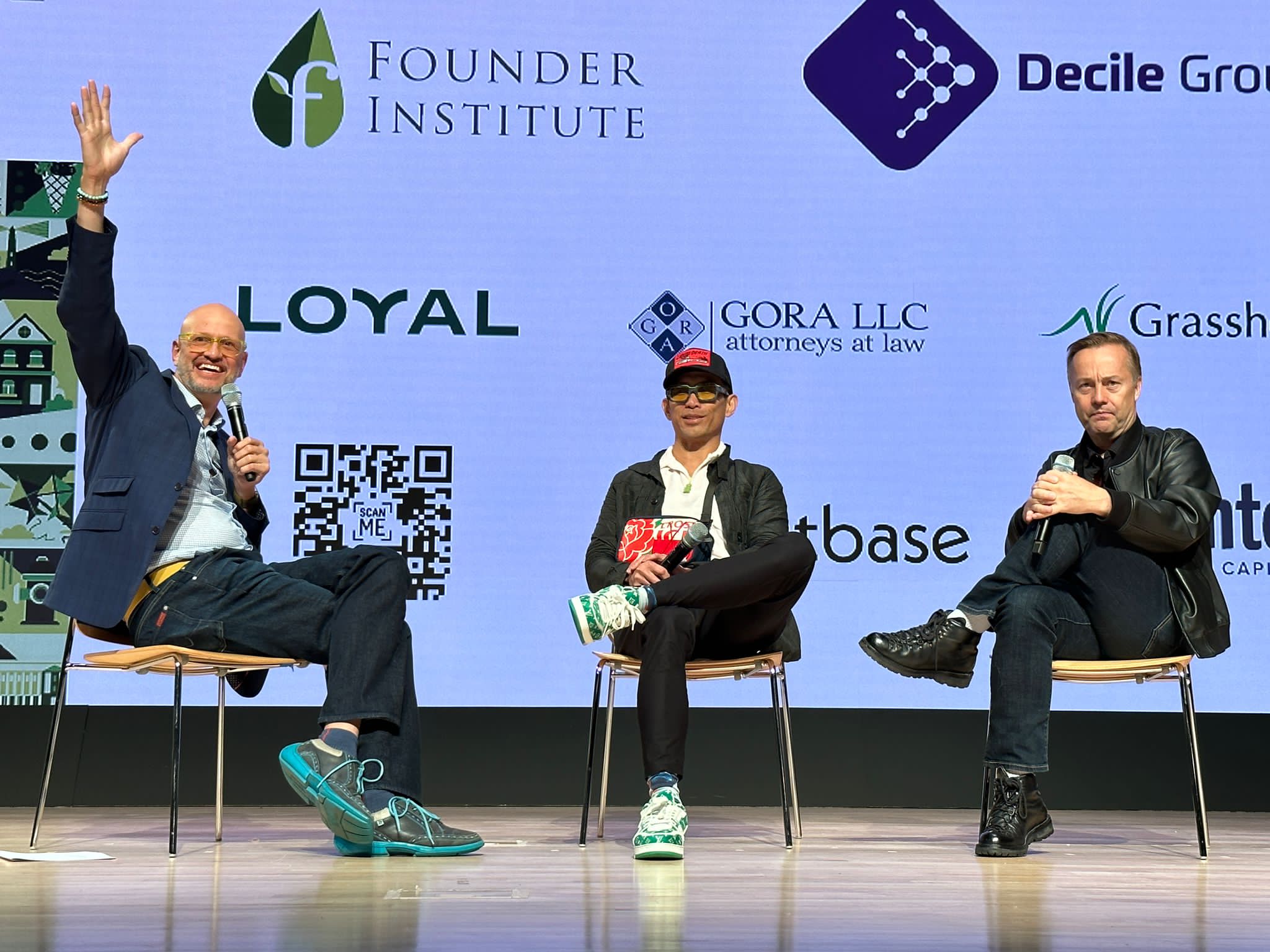
FounderX is a three-day working session hosted by the Founder Institute in Silicon Valley each year. The event brings together founders, active investors, and ecosystem leaders for hands-on workshops, closed-door roundtables, and private dinners designed to produce real outcomes rather than polished content.The 2026 edition runs August 25 through 27 in Silicon Valley, with a capacity limit that the organizers are enforcing strictly. Unlike a traditional conference where you sit in rows and watch speakers cycle through slides, every session at FounderX is built around participation. You leave with deliverables, introductions, and a working framework, not just a notebook full of highlights.
The core positioning is straightforward: if you are building a company in the agentic era, this is the room where the people who are doing the same thing will be. Whether you are a pre-seed founder looking for validation, a mid-stage operator trying to integrate AI into your go-to-market motion, or an investor trying to understand what the next generation of startups actually looks like, the event is designed to put you in productive proximity to the right people.
The core positioning is straightforward: if you are building a company in the agentic era, this is the room where the people who are doing the same thing will be. Whether you are a pre-seed founder looking for validation, a mid-stage operator trying to integrate AI into your go-to-market motion, or an investor trying to understand what the next generation of startups actually looks like, the event is designed to put you in productive proximity to the right people.
Who Attends FounderX?
The attendee mix at FounderX 2026 includes more than 200 startup founders, more than 100 angel investors and venture capitalists, and representatives from more than 40 countries. The event is curated and invite-oriented, which means the baseline commitment level of everyone in the room is higher than at open-registration events.Here is a breakdown of the primary attendee categories and what each group typically gets out of the experience:
- Pre-Seed Founders: Investor office hours, peer cohort, workshop takeaways
- Growth Stage Operators: Co-marketing intros, AI implementation workshops, deal flow
- Angel Investors: Deal sourcing, LP relationship development, AI due diligence tools
- Venture Capital Firms: Portfolio support, ecosystem positioning, sourcing from 40 countries
- Economic Development Leaders: Policy frameworks, startup ecosystem tools, global peer network
What Happens Across the Three Days?
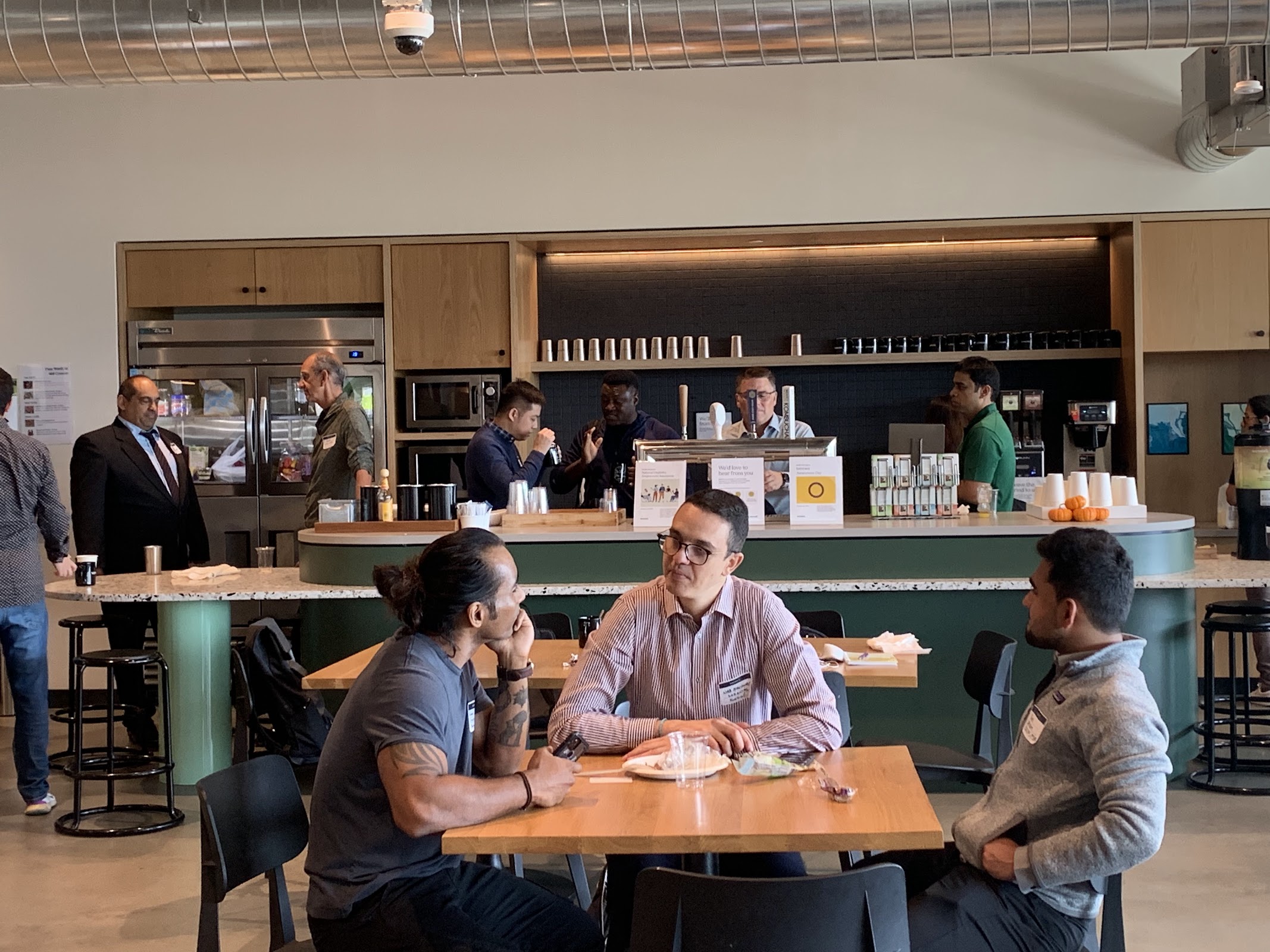
The three-day structure is deliberate and each day serves a distinct function. Day one is a networking kickoff on the evening of August 25, with check-in, badge pickup, and curated one-on-one matching sessions powered by Boardy AI. Doors open at 5 PM, and the curated introductions run until 9 PM. The goal is to walk into day two already knowing the five or ten people most relevant to your current priorities.
Day two is the deepest day for learning and connection. It takes place at STAK Space in Oakland and runs from opening remarks through a full day of parallel workshop tracks and a private VIP dinner in the evening. Tracks are organized around the core stages of company building: validate, develop, launch, traction, and fundraise for founders, with dedicated tracks for investors and economic development professionals running in parallel.
Day three opens the event to the broader Bay Area startup community through STEP San Francisco. This public conference day features more than 50 speakers across four stages, with confirmed speakers including Lu Zhang of Fusion Fund, Charles Hudson of Precursor Ventures, Michel Tricot of Airbyte, and Rikki Singh of Twilio. The combination of the curated days two attendees and the broader day three audience creates a concentrated moment for introductions and deal conversations.
Day three opens the event to the broader Bay Area startup community through STEP San Francisco. This public conference day features more than 50 speakers across four stages, with confirmed speakers including Lu Zhang of Fusion Fund, Charles Hudson of Precursor Ventures, Michel Tricot of Airbyte, and Rikki Singh of Twilio. The combination of the curated days two attendees and the broader day three audience creates a concentrated moment for introductions and deal conversations.
What Are the Featured Workshops?
The workshop programming at FounderX 2026 is built around practical delivery. Each module produces a tangible output, not a summary of ideas you could have found in a blog post. The seven featured workshops cover the core capabilities founders need to compete in the agentic era.The marketing module, led by Jonathan Grover, walks founders through building a synthetic buyer persona using AI and pressure-testing their pitch live. The branding module, led by Rajeev Behera, focuses on building a founder content engine using AI to post in your own voice at scale. The acquisition module, led by Gaurav B., covers building an AI-driven pipeline and finding your first repeatable customer channel.
On the operational side, the build module with Carlos Sanabria covers vibe-coding from idea to working product, and the automate module with Aran Ploshansky guides founders through building a working AI agent without writing a line of code. The leadership module with Bobby Bakshi addresses the harder organizational question of how to lead AI adoption for real returns rather than just adopting tools because everyone else is. Finally, the ecosystem module led by Arlette Verploegh brings UNCTAD's Empretec behavioral framework into the agentic context, covering the mindset and adaptability skills founders need when every industry is being restructured simultaneously.
Is FounderX Worth It for Investors?
For investors, FounderX offers a combination of deal sourcing, LP relationship development, and operational education that is genuinely difficult to find in a single event. The curated format means the founders in the room have cleared a higher bar than open-registration attendees at a typical conference, and the international mix of more than 40 countries represented creates deal flow and co-investment opportunities that a domestic-only event cannot replicate.The investor-specific workshop tracks address practical questions that are reshaping how early stage firms operate. Consider the difference between attending a panel discussion about AI in venture capital and actually building the core agents your firm will need in 2027 during a live workshop session. The framing here is not abstract. Firms that operationalize AI for sourcing, due diligence, and LP communication in the next 12 months will have a structural advantage over those still evaluating the tools.
Pre-scheduled office hours with founders give investors structured access to early stage companies with pitch decks ready, which makes the time efficient. For angel investors writing first checks, the combination of founder deal flow from 40 countries and co-investment conversations with the VC attendees makes this a productive three days by almost any measure.
How to Secure Your Spot at FounderX 2026
Capacity at FounderX 2026 is limited and the organizers are direct about the fact that registration will close before the event date. The event runs August 25 through 27, 2026, in Silicon Valley, and the registration countdown reflects a real deadline rather than a marketing device.Here is what to do before you register to get the most out of the experience:
- Identify the two or three specific outcomes you want from the event, whether that is investor introductions, co-founder conversations, workshop skills, or partnership development
- Prepare a one-paragraph summary of what you are building and what you are looking for, since the Boardy AI matching on day one works better with a clear brief
- Book travel and accommodation early given the Silicon Valley venue and the volume of people attending from 40 countries
- Review the workshop track descriptions and identify which modules are most relevant to your current stage so you can plan your day two schedule in advance
- If you are a founder attending with a deck, confirm your deck is updated and your ask is clear before you arrive, because investor office hours move quickly
The Founder Institute built FounderX to be a working session, which means the value you extract scales directly with the preparation you put in before you arrive. Founders who show up with a clear outcome in mind consistently report stronger results than those who arrive to see what happens.
Conclusion
FounderX 2026 is a concentrated, high-signal environment for founders and investors who are serious about building and funding the next generation of AI-native companies. The combination of curated attendees, hands-on workshop programming, pre-scheduled investor access, and a global community from more than 40 countries makes it a structurally different experience from a typical startup conference. If you are early stage and trying to compress your timeline to funding, or a growth stage operator trying to build real AI capability into your company, the three-day format is designed to move the needle in ways that a single keynote or pitch event cannot. Spots are limited and closing. The practical move is to register now and prepare well.Register here: https://luma.com/659pksxq
Learn more: https://founderx.com/